


How ‘Scottish Glastonbury’ for folk music won over Gen Z
How ‘Scottish Glastonbury’ for folk music won over Gen Z

Jacob FreedlandSat, August 8, 2026 at 10:00 AM UTC
0

Scottish identity was proudly on display at Belladrum Tartan Heart Festival 2026 last weekend - Paul Campbell
Ribcages are vibrating. The ground is shaking. Teenagers punch the air in unison, screaming at the top of their lungs.
The stage is hidden behind youngsters clambering onto each other’s shoulders, forming a forest of bucket hats. The only gaps are when mosh pits break out.
You would be forgiven for thinking this scene took place at a nightclub deep underground to the thud of rap music.
But it happened in a remote field in the Scottish Highlands last weekend to the sound of bagpipes and violins.
Belladrum, an annual music festival near Inverness called the “Scottish Glastonbury” by its organisers, is catering to a surprising new set of folk music enthusiasts: Generation Z.
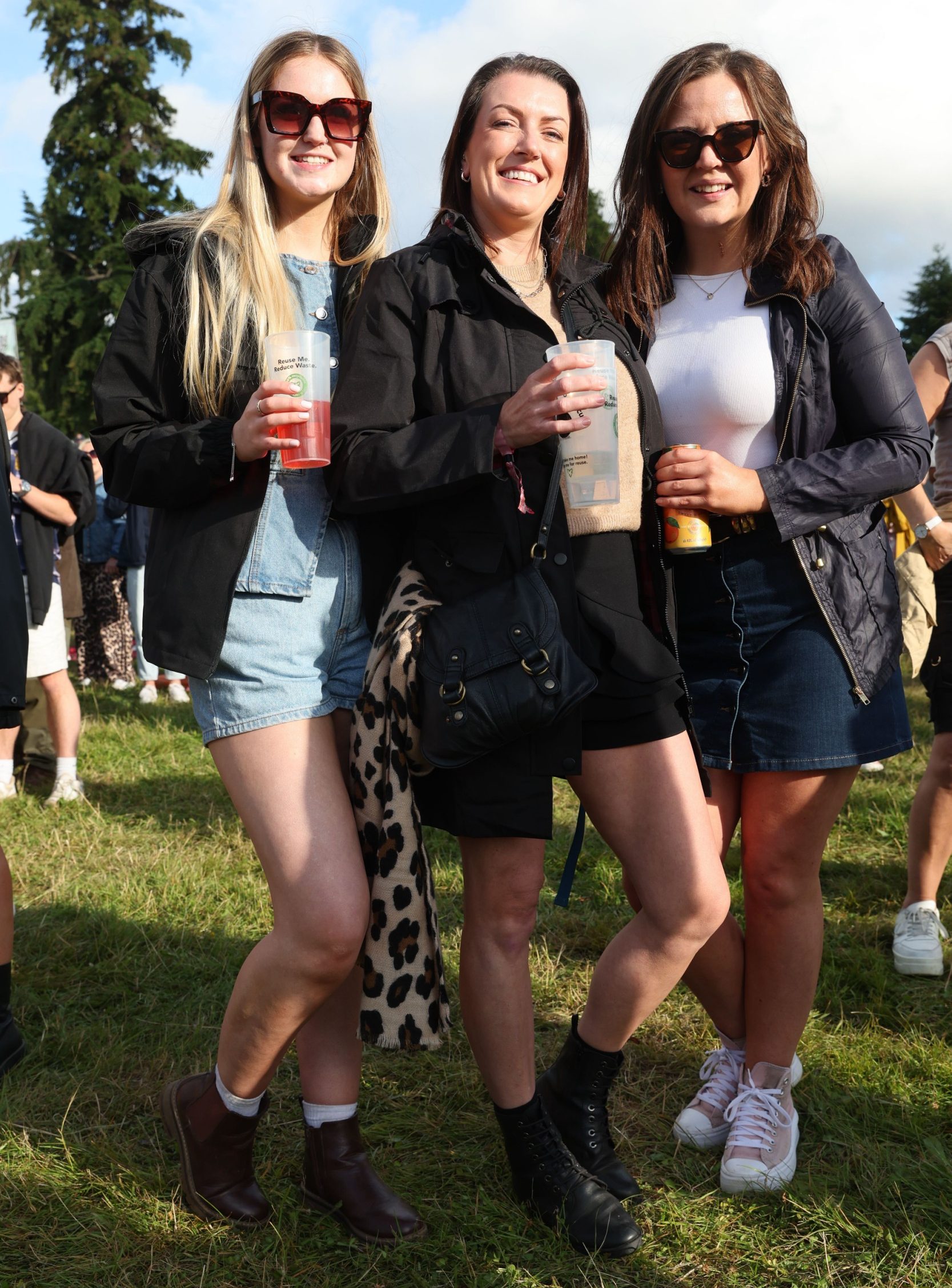
Belladrum Festival 2026 took place last weekend near Inverness - Paul Campbell
The gathering (which costs £238 to attend in full) started in 2004 as a single-day event for 2,000 folk lovers. Now, it’s a three-day affair that welcomes 24,000 festival-goers – nearly half of whom this year were under the age of 34.
Promoters said they had seen a surge in young people trading nightclubs for live performances of local folk tunes.
Peat and Diesel, a three-piece rock band from the Isle of Lewis, have previously played at Belladrum and are now touring the UK. Localism is central to their appeal, according to Uilly MacLeoid, their 35-year-old drummer.
In one of their hits, Calum “Boydie” MacLeod, the band’s lead singer, bellows: “I am a country boy, and I don’t like the city.” In another, he asks: “Are you from the Isle of Lewis/ Or is it the hills of Harris?”
Generation Z is abandoning nightclubs in favour of localism and folk-influenced pop music - Andrew MacColl/Shutterstock
MacLeoid, who fits gigs around his job in construction, said the first 10 rows of a recent show were “filled with kids”. He said: “They see themselves in us.”
Like Peat and Diesel, many of the acts at Belladrum use bagpipes and accordions alongside their guitars and drums, creating what feels like a mix of a traditional wedding and a modern pop concert.
Valtos, a duo from the Isle of Skye, perform with a fiddle backed by a synthesised soundtrack. A lead singer sings over the beat in Gaelic.
At their show in Belladrum, a man in full Highland dress jumped up and down on stage, stomping his feet in time with a bagpiper – a music teacher from western Scotland – who blasted each note to the sounds of cheers as if he were a rock star at Wembley Stadium.
Afterwards, the band was flooded with selfie requests.
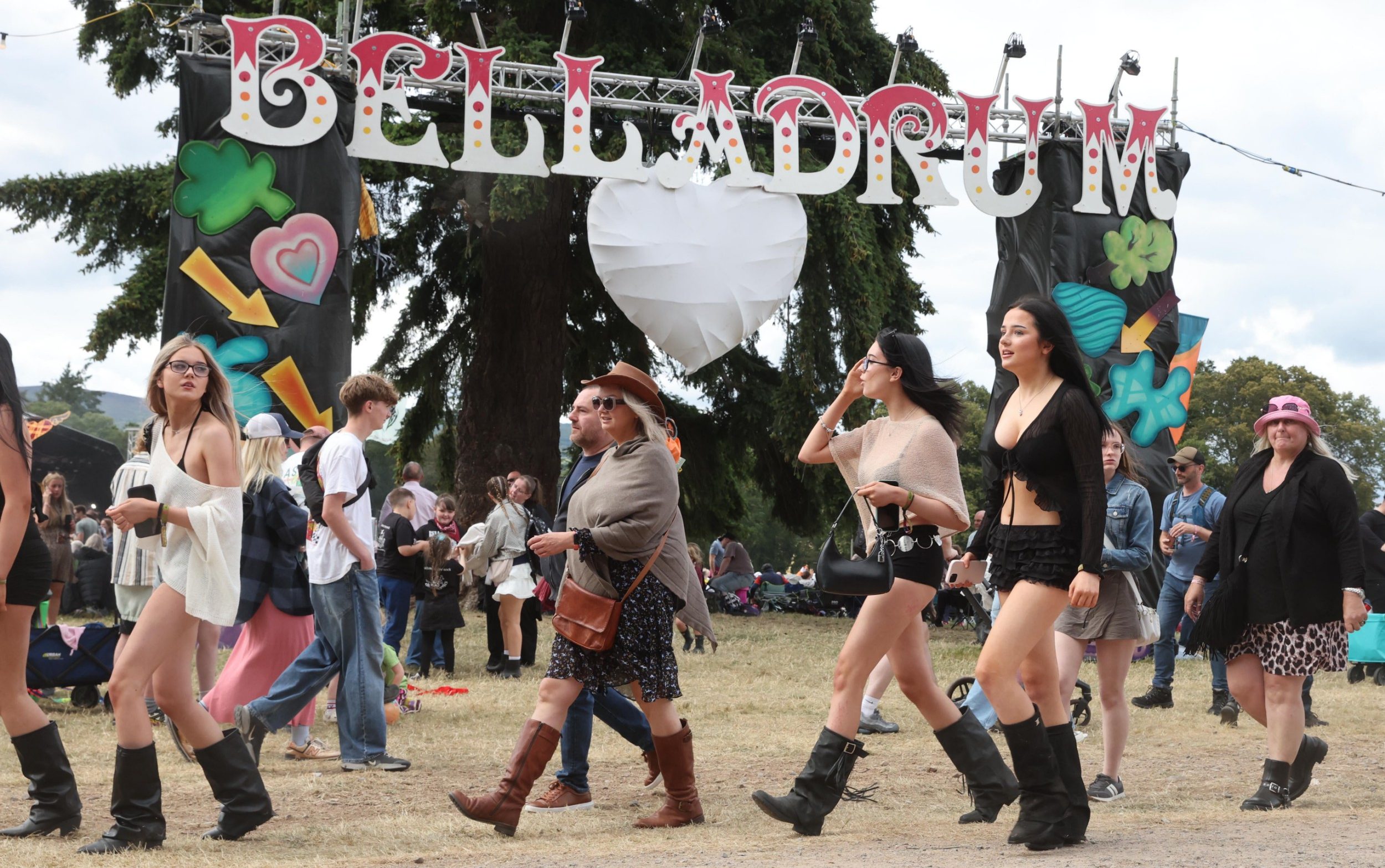
The festival, dubbed ‘Scotland’s Glastonbury’ by organisers, first took place in 2004 - Andrew MacColl/Shutterstock
Fans told The Telegraph they were drawn to the festival because the acts had had similar upbringings to theirs, in contrast to the pop stars preferred by their peers, who often hailed from America.
Explaining why he had chosen a festival of traditional music over a rap concert, sportswear-clad Lewis Macpherson, 20, said: “It’s local. People know the band members’ names. They’re local to the Highlands.”
James Cuthbert, a 20-year-old joiner from Inverness, added: “Up here, all my friends do not listen to rap music. The trad music [however] is exceptional. It’s the culture. It’s the craic.”
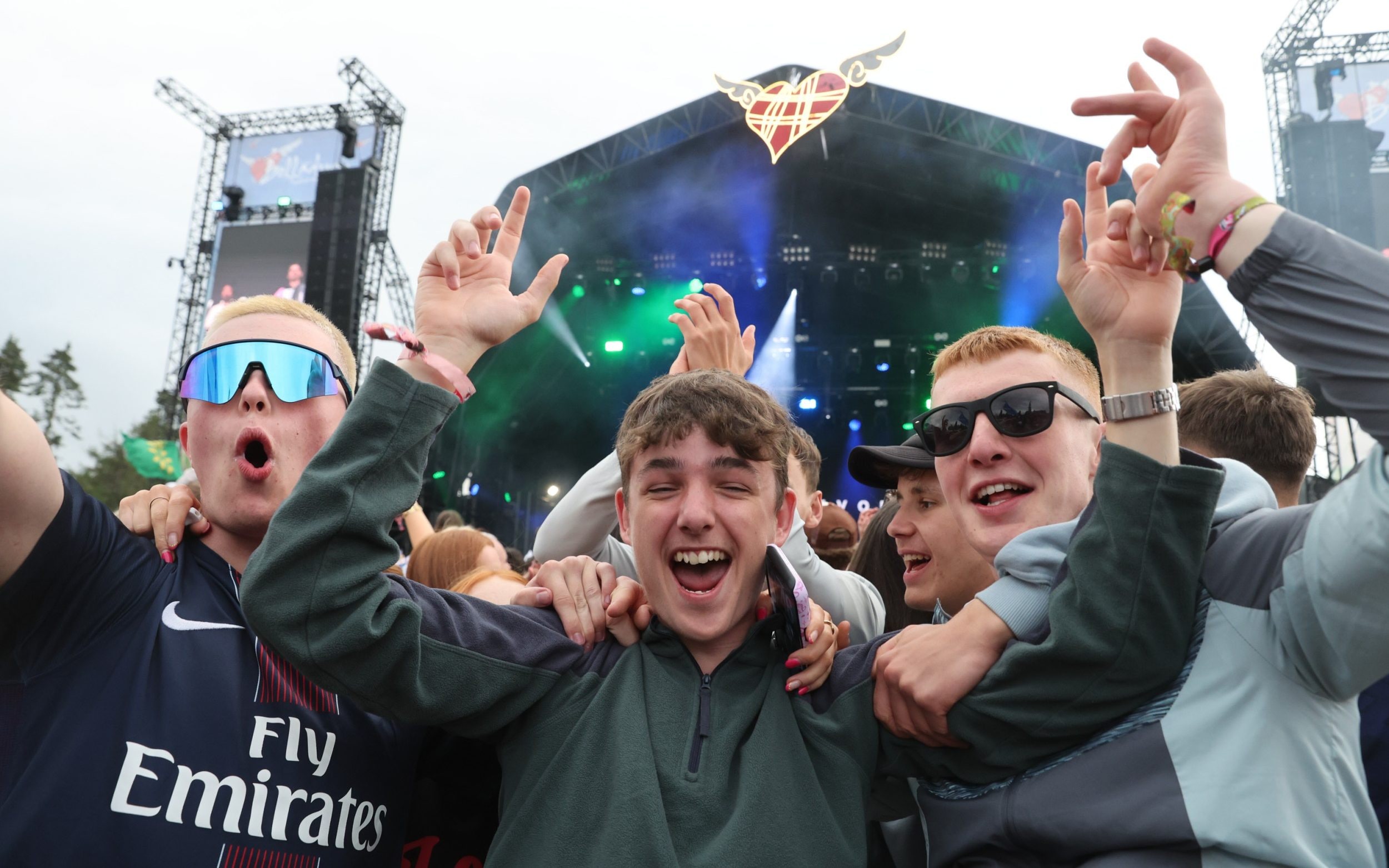
‘It’s the craic!’ said one attendee of the proudly local festival - Andrew MacColl
James MacKenzie, a 19-year-old from Caithness, said: “A lot of my friends don’t listen to rap music, I think there is a slight turning away from it. I’ve never been enamoured with it.
“Here, you get a bigger turnout when someone produces a set of bagpipes.”
People are proud of where they’re from at Belladrum. Groups spontaneously break into ceilidh dances, earnestly performing the traditional jigs many Scottish children are taught at school.
Advertisement
Rather than the Palestinian flags – which have come to be the visual staple of festivals south of the border – the Belladrum crowd flies the symbols of its islands: from Tiree to South Uist.
Kenny Smith is the kilt-wearing frontman of rock-folk band Torridon, named after a village in the West Highlands. Setting up one of his songs, he asked the crowd: “Are there any Highland girls out there?”
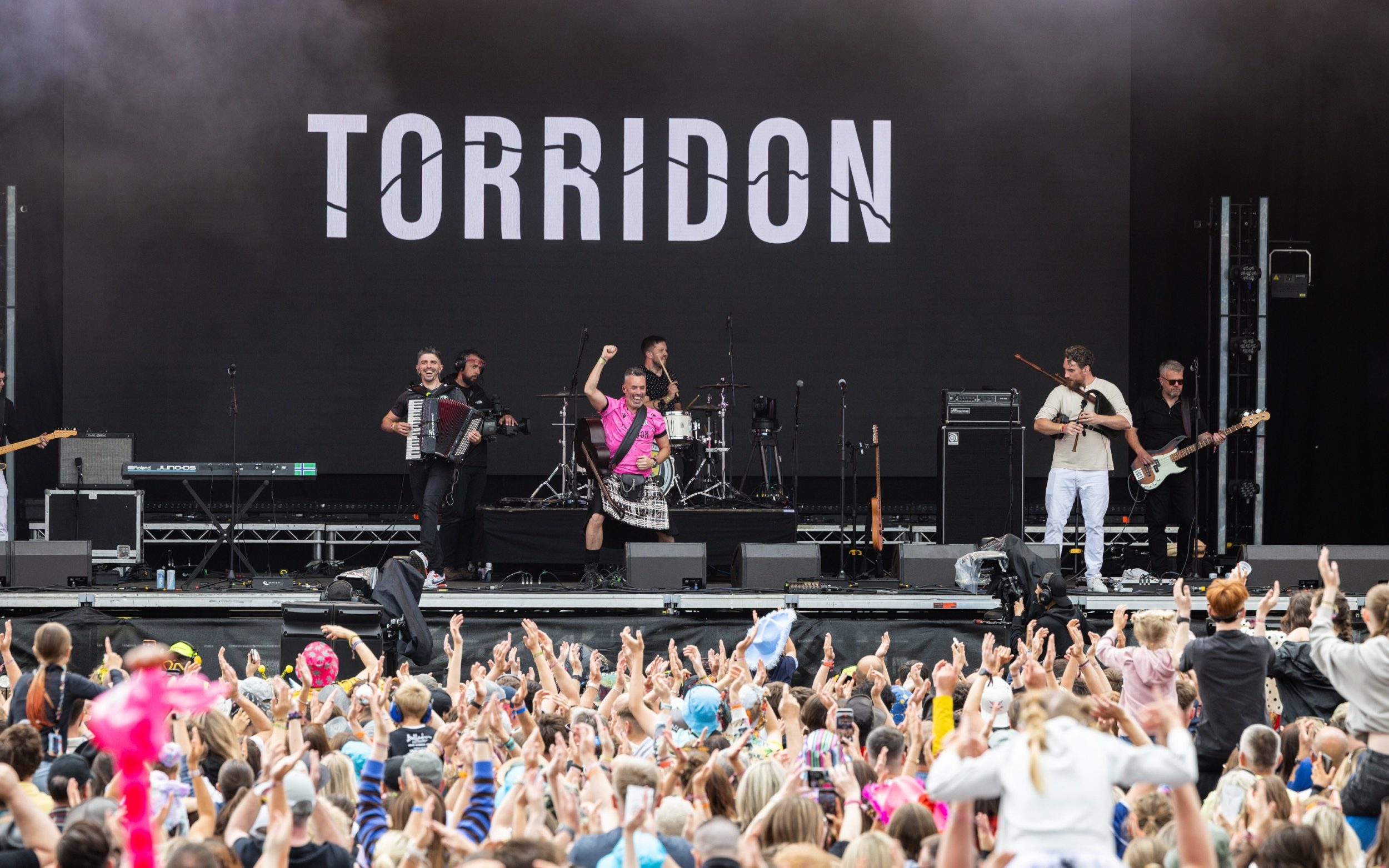
‘Are there any Highland girls out there?’ asked Jamie Smith of Torridon, the folk-rock band - Paul Campbell
Asked why she had bought tickets for the festival, Jade McDiarmid, a 25-year-old from the Isle of Skye, said: “It’s in our blood. We love a ‘kneesup’. We’re embracing our roots.
“You see everyone you know from school. I know 100 people here.”
Ms McDiarmid said the lyrics “resonate with us”, citing a selection of her favourite songs about the hills and lochs that make up Scotland’s landscape.
Scottish patriotism was loudly on display too. Festival-goers wrapped themselves in Saltire flags, sometimes throwing them onto the stage to encourage performers to do the same.
Signs were often written in Gaelic, and many artists made a point of singing in the language too.
Mark Mackie, who works for LMJ Entertainment, one of Britain’s largest events promoters, explained that national identity was part of the appeal of trad music.
“A lot of these fans grew up listening to Runrig, who were massive in Scotland [in the 1980s],” he said. “Runrig were trailblazers for Gaelic music.
“A lot of these kids have grown up with their mum and dad’s record collection – now they’ve got their own version that is about the current moment. The scene went quiet and is now on fire again.”
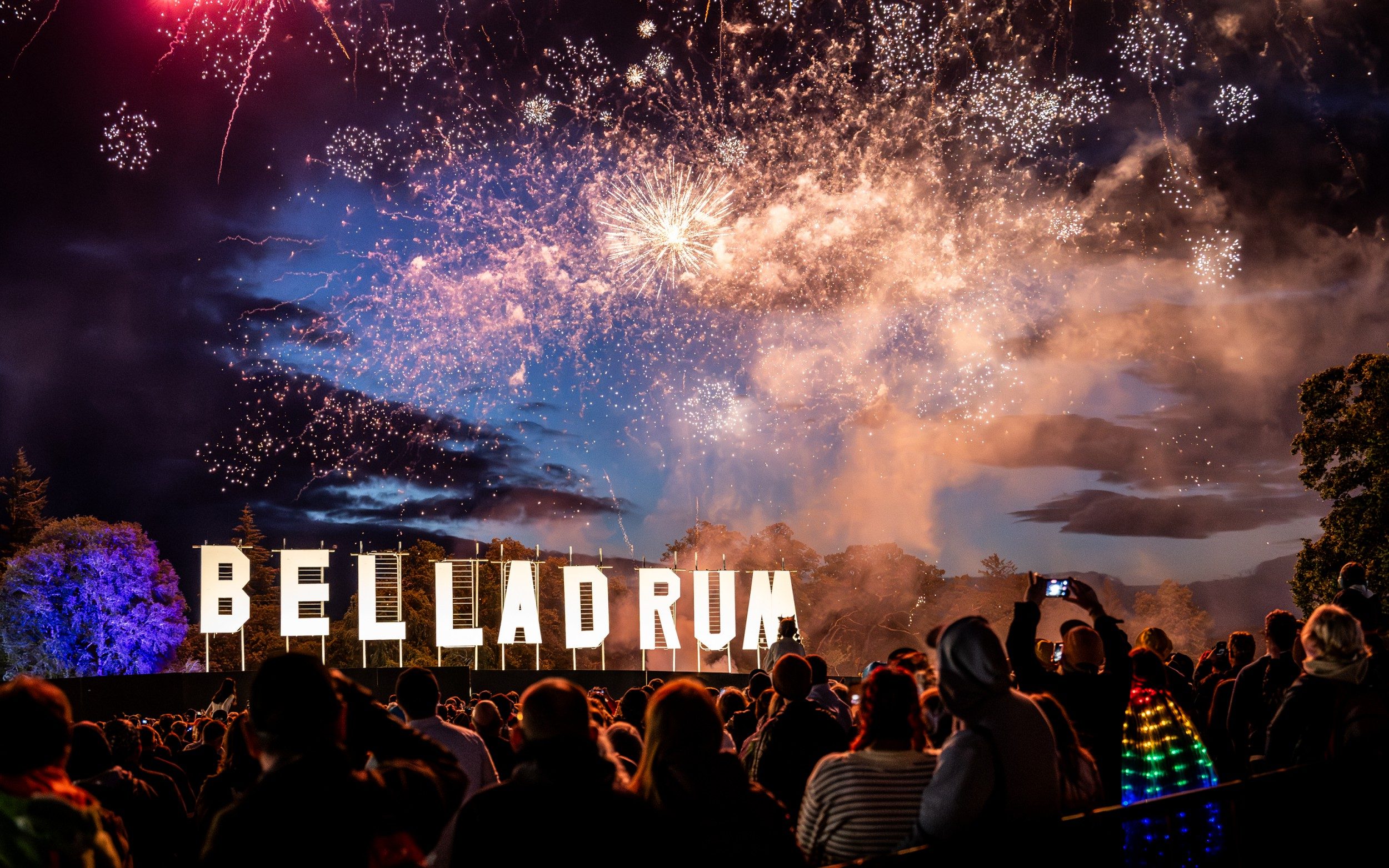
Some young people see events such as Belladrum as better value than an evening in a darkened nightclub - Paul Campbell
The rise of festivals such as Belladrum comes as young partygoers lose interest in nightclubs, which are now seen as too expensive.
According to a survey, six in 10 people aged between 18 and 30 were going out less frequently last year than in 2024.
The nighttime economy, which includes bars and nightclubs, contributed £93.7bn to the UK economy in 2023, down from £116.1bn in 2019, according to the Night Time Economy Report.
Mr Mackie said: “People aren’t going to clubs as much as they used to. They don’t want to pay a tenner to get in to a black box nightclub with the ‘duf duf’ music on.
“They will, however, go to a live experience. That’s part of Gen Z’s thing that they’re into. A gig is a shared experience, which the young ones are really getting into.”
But perhaps the real explanation for the enduring appeal of Scottish folk music is simply that it is fun.
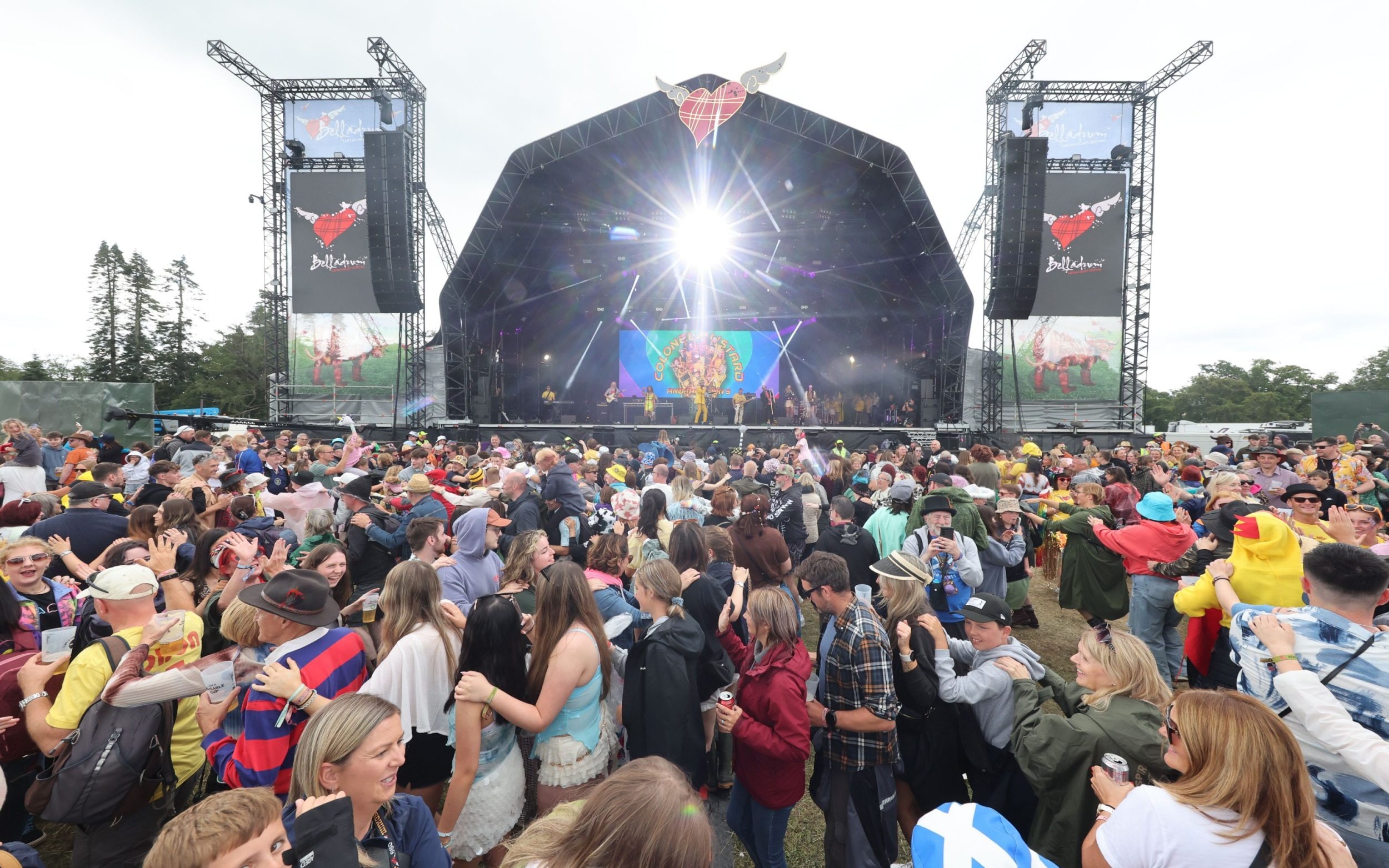
Despite Belladrum’s commitment to localism and folk music, the headline act this year was Razorlight, the English rock group - Andrew MacColl/Shutterstock
When the pulsating thud of drums is joined with the piercing notes of the pipes you don’t need to be a Scottish nationalist to gently nod to the rhythm amid the flags, bagpipes and traditional dances.
Mr MacKenzie said the surge in Gen Z’s love of trad music could even cross the border.
“There’s always a cultural exchange to be done,” he added. “I’ve played the bagpipes at a couple of pals’ birthday parties where most of the people have been English.
“The reaction is pretty positive usually, even amongst the ones that don’t necessarily like it.
“I think a lot of them who’ve heard bagpipes have only ever heard someone on the Royal Mile screeching out Scotland the Brave. They don’t realise the bagpipes can play non-traditional tunes too.”
Source: “AOL Entertainment”
