


Stockard Channing’s directorial debut at 82 gives Beckett unexpected warmth
Stockard Channing’s directorial debut at 82 gives Beckett unexpected warmth

Tristram Fane SaundersSat, August 8, 2026 at 10:45 AM UTC
0
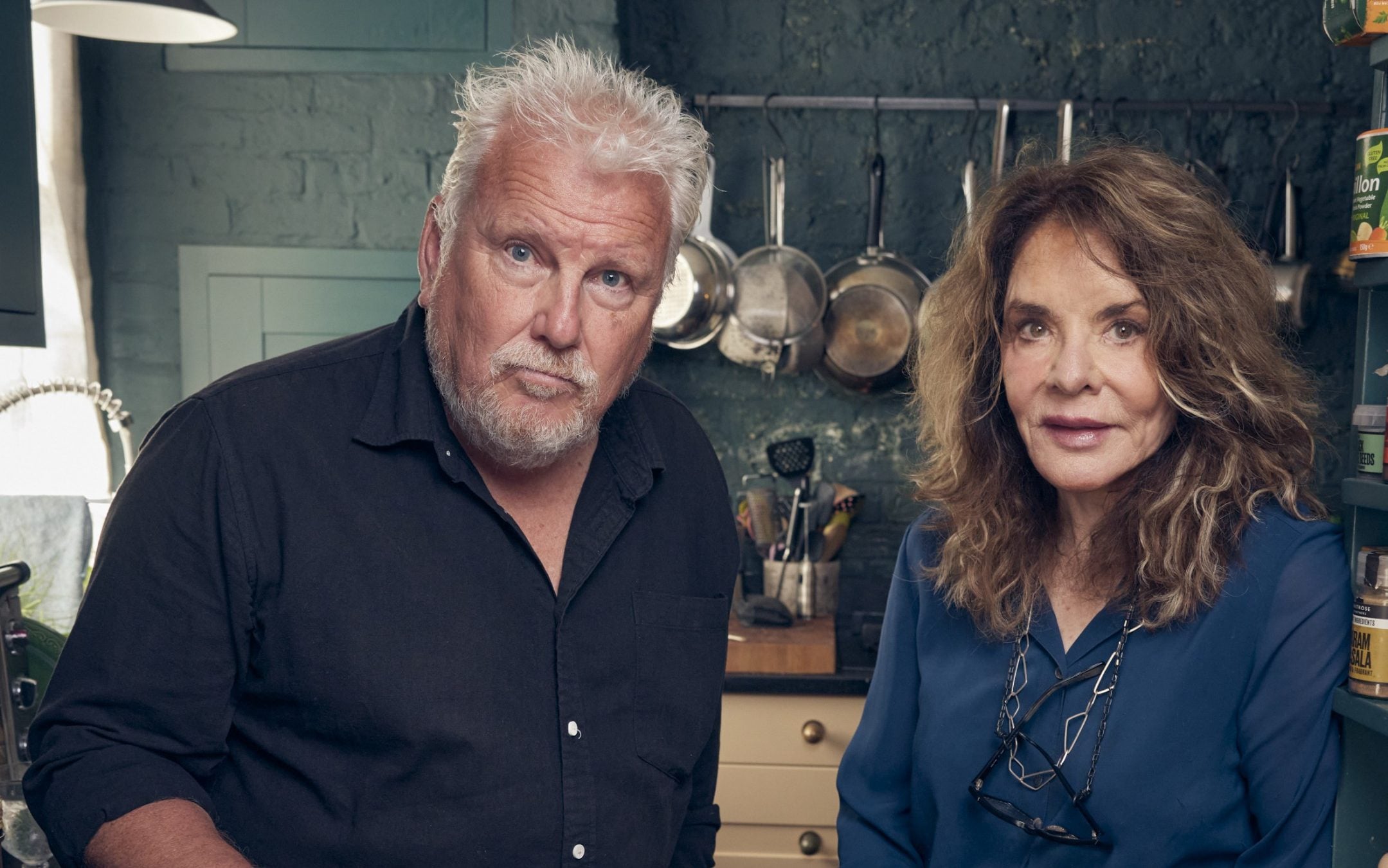
Hollywood actress Stockard Channing makes her directorial debut with Beckett’s Krapp’s Last Tape, starring David Westhead - Tom Harrison
When RSC veteran David Westhead asked his old friend Stockard Channing to direct him in a Beckett monologue, she was baffled. “I said, ‘Why? I don’t do that,’” the Oscar nominee admitted on Friday. Channing – best known as Grease’s Rizzo – had never directed before. Starting a new career in your ninth decade is a gamble.
But her gamble has paid off. This production – which the pair rehearsed in Channing’s kitchen, and refined on a tour of small arts venues over recent years – has a warmth and richness shaped by its long gestation, and the pair’s long friendship.
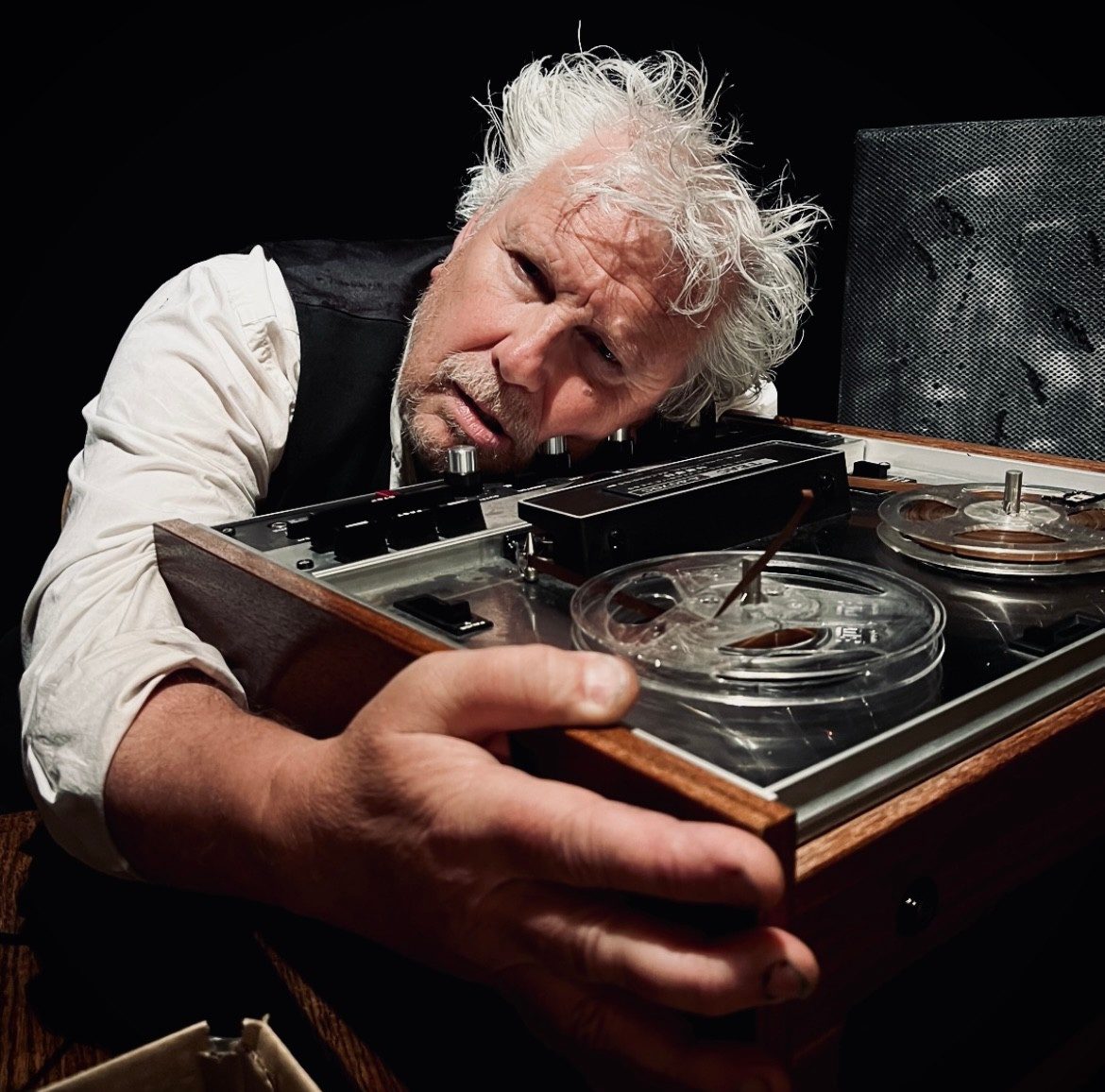
RSC veteran David Westhead, who plays Krapp, is a long-term friend of Channing’s
Beckett can be chilly, but Krapp’s Last Tape is his most intimate, and most human work. We’re in the cluttered den of Krapp, a bibulous recluse who keeps an audio diary. Before recording a tape for his 69th birthday, he listens back to one from his 39th. Westhead gives a remarkable dual performance: on the old tape, he sounds every bit the young man full of passion, a stark contrast with the wreck he embodies onstage.
While Gary Oldman portrayed Krapp in a recent production as almost having one foot in the grave, Westhead brings surprising vim to the part. His unlikely, clownish joie de vivre at the outset makes his slide into despair even more affecting.
Advertisement
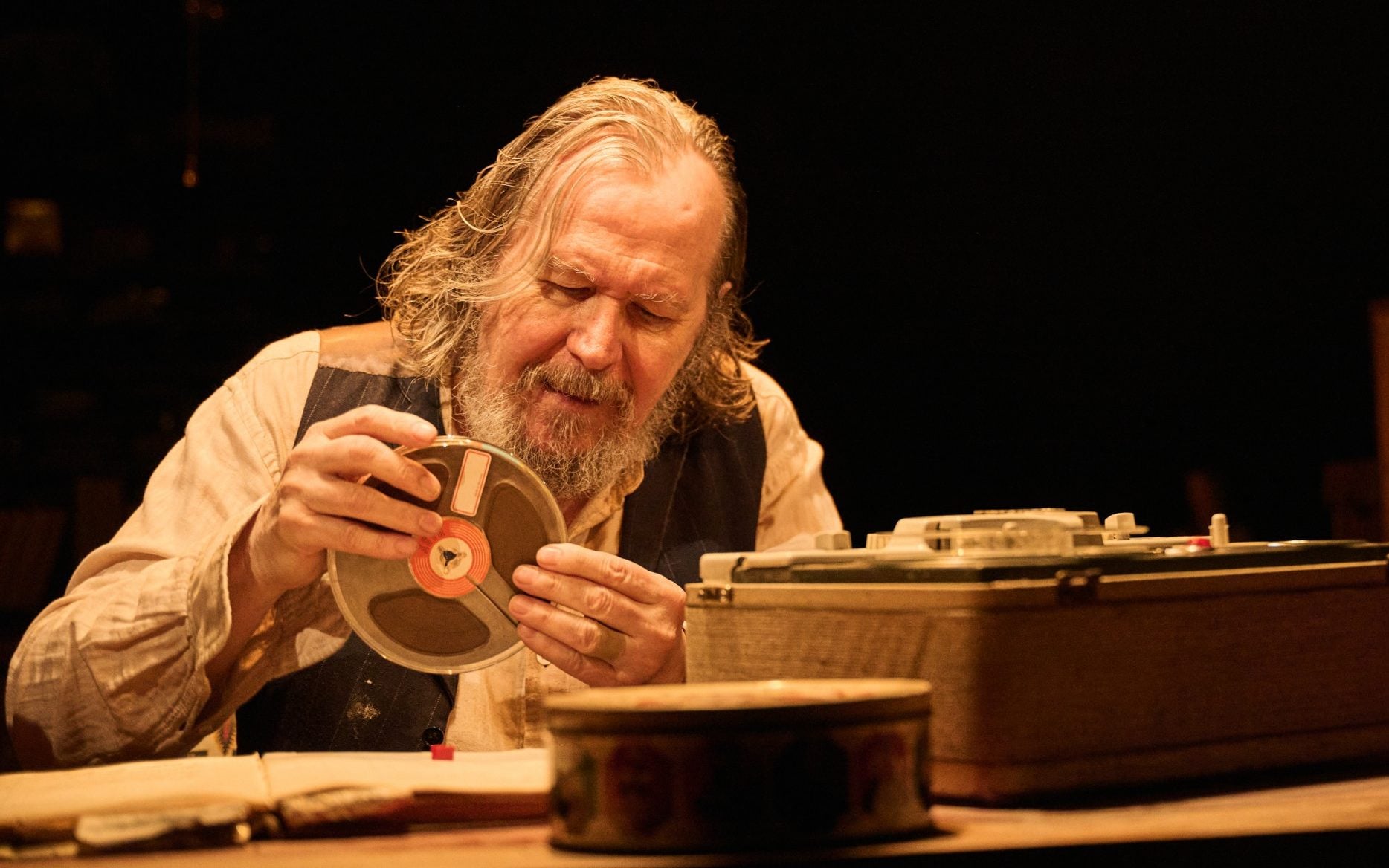
In a recent production, Gary Oldman portrayed Krapp as almost having one foot in the grave - Jack English/Royal Court Theatre
It’s not a play that gives much room for directorial re-invention. Beckett’s estate is unforgiving when companies stray one inch from the script. At a post-show Q&A, Channing, 82, and Westhead emphasised how closely they adhered to each stage direction, down to the size of Krapp’s shoes (Westhead, who has smaller feet, had to stuff the ends with newspaper). But that claim to fidelity is, I suspect, a fib.
This is a subtly subversive production, departing from the text in small, crucial ways. It might seem pedantic to point out that Westhead only peels one banana, rather than the script’s two. But in this brief play every detail matters. As Channing observed, those bananas represent “addiction”. It’s the difference between a recovering alcoholic pouring himself one drink or two.
The emotional heart of the play is a memory Krapp keeps returning to, as if picking at an open wound: sharing a boat with his lover, lying on her chest. In a poignant moment, Westhead caresses his reel-to-reel tape-deck, laying his head between its rotary wheels as if they were her breasts. The younger Krapp recalls how she opened her eyes to “let me in”. The script insists those three words should be delivered “low”; tender, descriptive. But Westhead turns it into a shouted command to himself: “Let me in!”
It’s jarring, but effective: as if the younger man is reaching across time to grab him by the lapels, or wrench him out of his abjection – too late, alas, too late.
Upstairs at Assembly Roxy, Edinburgh, until Aug 31 (tickets: here)
Source: “AOL Entertainment”
