


The AI Spending Boom Faces a Crucial Test in 2027
The AI Spending Boom Faces a Crucial Test in 2027

Diccon HyattThu, September 24, 2026 at 8:07 PM UTC
0
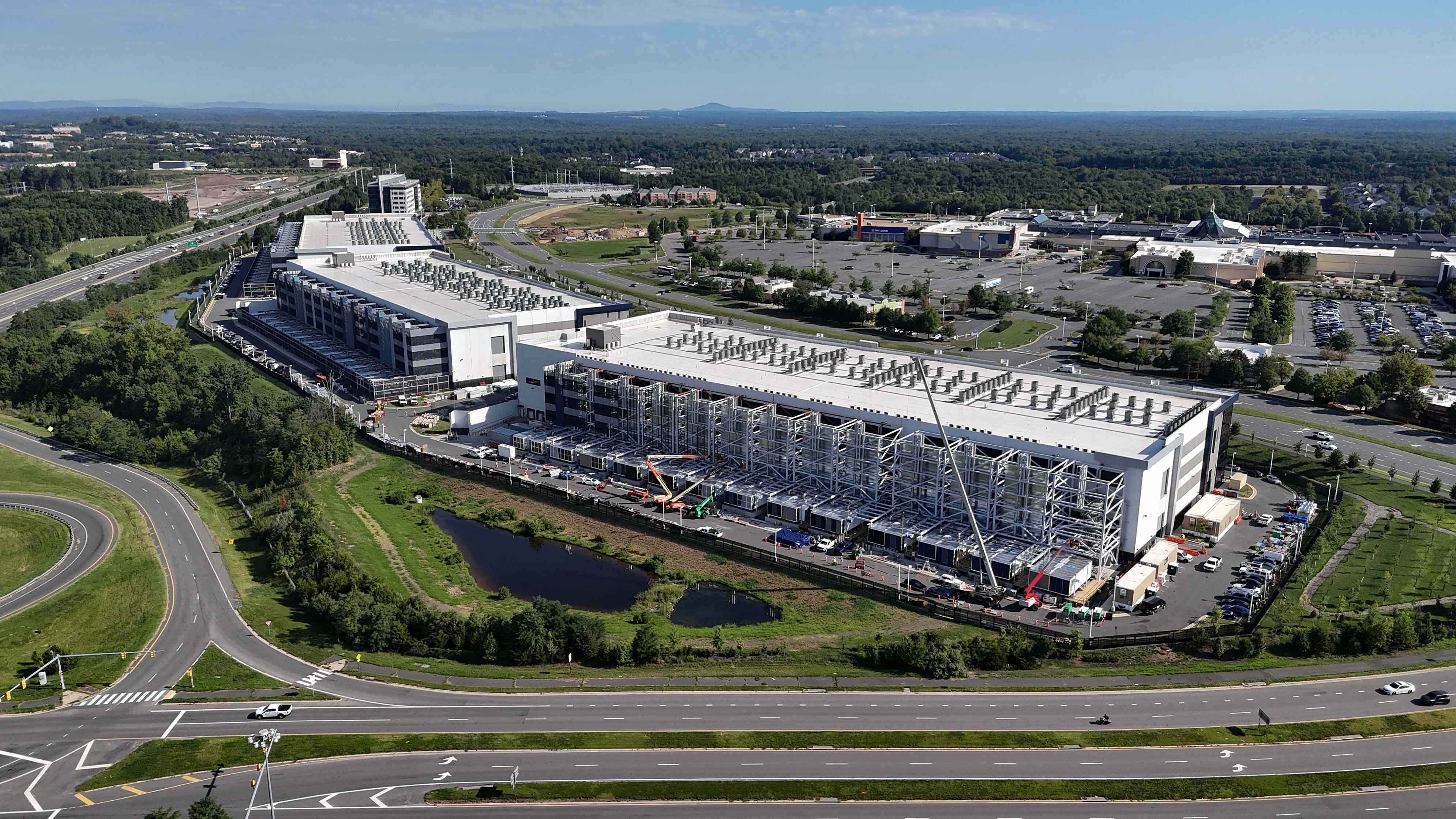
Investment in AI, including the construction of data centers, has soared in the past year.Credit: Anna Moneymaker / Getty ImagesKey Takeaways -
The AI boom differs from past bubbles in that tech companies’ rising earnings currently support soaring stock prices.
However, rising interest rates, regulatory restrictions, or underwhelming productivity gains could trigger a downturn in the AI sector.
By the end of next year, AI could either deliver massive benefits to the economy or crash spectacularly.
That’s according to a new analysis by economists at Oxford Economics, who analyzed the risks of the AI spending boom. While many companies have found uses for AI technology, the software is promising but largely unproven. AI has yet to bring about the kind of productivity increases that would justify the massive amount of money that’s been invested in it, Adam Slater, lead economist at Oxford Economics, wrote in a commentary.
“For there to be a sharp correction in the AI sector, it doesn’t require the technology to prove worthless, only for there to be disappointment relative to the currently elevated expectations,” he wrote.
Just how elevated are those expectations? Slater estimated the hyperscalers—the large companies building massive data centers to power AI systems—are expecting 15% to 20% returns on $3.8 trillion of investments between 2024 and 2028.
Those companies would have to make an additional $570 billion to $800 billion in yearly profits to hit those targets. Growth like that would be more than two-thirds of the projected increase in U.S. GDP by 2032, he calculated.
“This seems very unlikely,” he wrote.
Advertisement
Falling short of those lofty ambitions could leave AI companies exposed to a downturn in stock prices. Slater compared the risk to previous technology-driven stock price booms, such as the 1920s electrification boom, the 90s telecom boom, and the 1840s British railway boom, all of which ended with catastrophic market crashes.
Slater identified several possible catalysts for a downturn, including rising interest rates, which would reduce the ability to finance the AI expansion; government regulators restricting AI development; or data showing the tech’s failure to deliver productivity benefits.
To be sure, many investors are brushing off such bubble concerns. In a recent Investopedia poll, the majority of investors surveyed said they were either “optimistic” or “cautiously optimistic” about the industry’s outlook.
And optimists can point to key differences between the AI boom and past bubbles, including the fact that the soaring stock prices have been supported by rapidly rising earnings for tech companies.
With technology continuing to advance and threats to expansion growing more salient, 2027 could be the year one side or the other is proven correct.
“These risks are likely to intensify as we enter 2027,” Slater wrote.
on Investopedia
Source: “AOL Money”
